
Neon Materials Comparison: LED vs Glass
LED neon and traditional glass neon can both create expressive lines of light, but they are built differently and suit different visual and practical priorities.
This comparison is intended to help a customer prepare a better brief, not declare a universal winner. The right construction depends on the approved artwork, line detail, dimensions, wall, ambient light, handling, controls, exposure and the material character the project should express.
LED neon generally uses a flexible illuminated profile with a diffuser mounted on an acrylic backing. Traditional neon uses glass tubes shaped by hand, fitted with electrodes and filled with neon or an argon-based gas mixture. Those basic differences affect design language, backing, fragility, electrical arrangement and installation.
Neonita works with both approaches in custom sign projects. Components are selected for complete signs and are not sold separately. We recommend discussing the actual artwork and location rather than choosing from a simplified online table alone.
Review the full range of made-to-order work at our neon sign shop.
See the complete specialist process for hand-bent glass neon signs before comparing only the finished appearance.
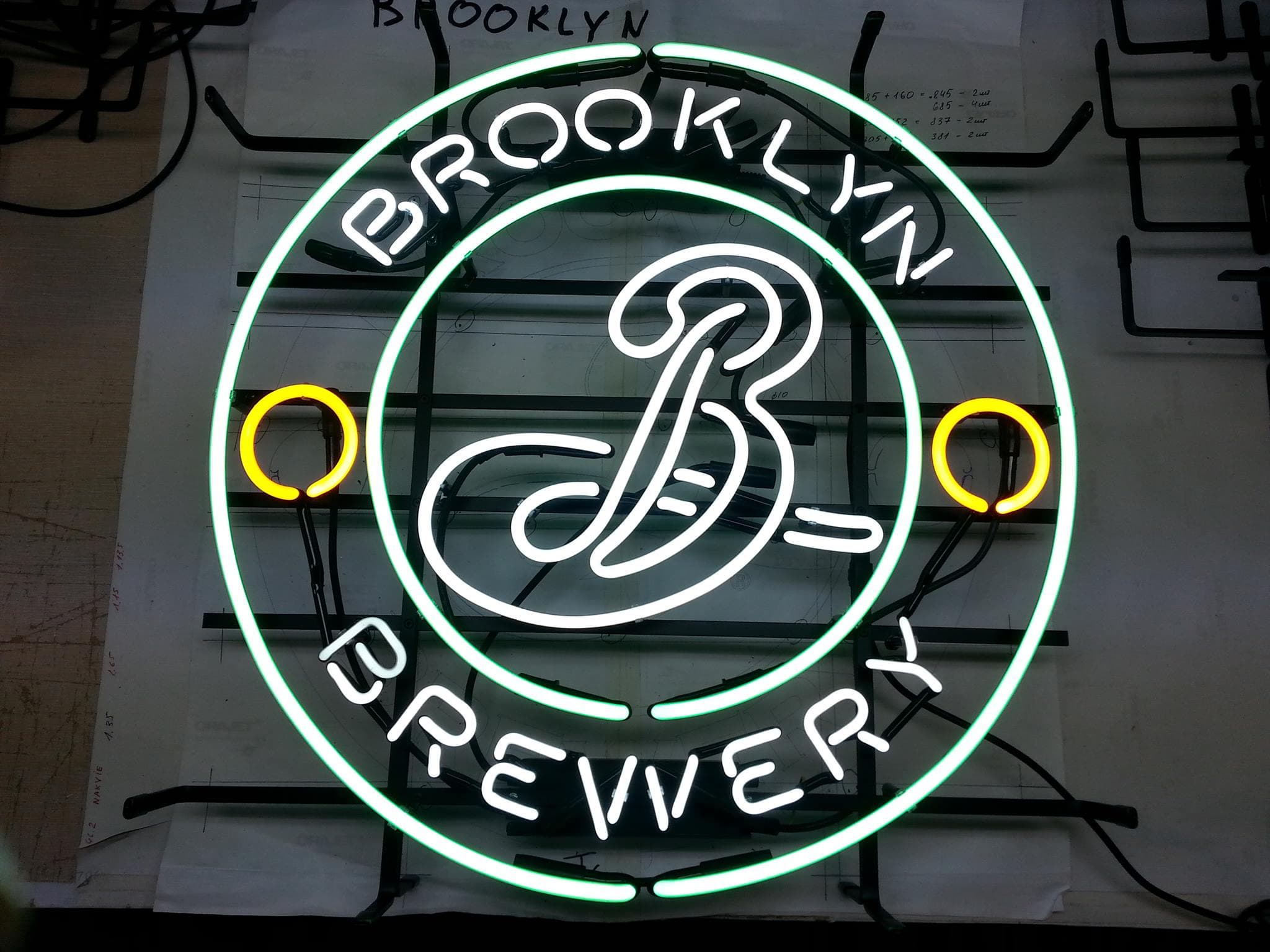
Construction
Flexible profile and acrylic versus shaped glass tubes
In an LED neon sign, the illuminated profile forms the visible line and the acrylic backing provides structure. The backing may be transparent or glossy white, rectangular or cut closer to the design. Power, any confirmed control option, cable position and mounting parts are selected for the complete sign. This construction can support compact lettering, logos, symbols and decorative outlines.
A glass neon sign begins with a full-size production pattern. A glassblower heats and bends each tube by hand, then electrodes are fitted and the tubes are processed and filled with the selected gas mixture. Supports hold the tubes in the intended arrangement, and a suitable transformer or electronic power solution completes the electrical system.
Design and colour
Each method draws with a different physical line
LED profiles can be practical for detailed logo outlines, clean lettering and multicolour compositions where the design allows. A choice of available illuminated colours supports different interior moods. The flexible material still has limits: tiny gaps, very fine strokes and crowded artwork may need simplification.
Glass neon has the flowing quality of real tubing and carries the visible character of hand work. It is well suited to classic lettering, art-led forms, heritage-inspired displays and designs that value authentic glass as a material. Gas and tube coating influence the illuminated colour. Neither glass nor LED light should be approved as if it were ordinary print colour viewed on a screen.
Handling and controls
Weight, fragility and control options affect everyday use
LED neon can offer relatively lightweight constructions, and the current configurator includes a remote-control option for suitable projects. The exact function, compatibility, backing and connection must be confirmed with the individual sign.
Glass is fragile and needs specialist handling, supporting and electrical assembly. Any control option depends on the particular electrical system and should not be assumed. If a sign must be moved repeatedly, transport and backing requirements need to be raised before production, especially when real glass tubes are involved.
Installation and environment
The wall and exposure can change the answer
Both methods require accurate information about wall material, power, cable route, mounting height and access. LED backing may allow a straightforward interior mounting direction, while glass tube supports and specialist electrical components require deliberate placement. Neither should be installed by guessing from a product photograph.
Indoor, sheltered and exposed locations need different specifications. A sign made for a dry interior cannot automatically move outside. For façades and sensitive properties, the customer should also confirm permissions with the owner, manager and relevant authorities.
Typical fit
Choose the construction that supports the idea
LED neon often fits commercial logos, events, decorative interior outlines and signs that benefit from an acrylic structure. Glass neon often fits authentic displays, art pieces, heritage-inspired work and compositions in which the physical tube and craft are central. These are useful tendencies, not rigid rules.
The best next step is to place the artwork in its real context. Mark the proposed size on the wall, photograph it from the main viewing position and identify power and exposure. Neonita can then compare the design and installation implications for the individual sign rather than recommend a material in the abstract.
- Compare the approved artwork at finished scale
- Identify indoor, sheltered or exposed use
- Decide whether the configurator’s remote-control option is relevant
- Consider backing, visible supports and material character
- Plan handling if the sign needs to move
- Confirm wall, power, cable route and installation access
Compare a real design
Let the artwork and location guide the material
Send the logo or sketch, proposed dimensions and a wall photograph. We will help identify which construction questions matter most for the specific project.
Contact us