
Neon Sign Installation in Vilnius
A clean installation begins while the sign is still being designed, with accurate information about the wall, power, viewing position and access.
Neonita designs each complete sign around its intended setting and can discuss delivery or an arranged installation as part of the individual project. Installation is not a universal final step that can be planned from the sign dimensions alone. The backing, weight, wall construction, electrical point, cable direction and whether the position is indoors, sheltered or exposed all influence the practical solution.
A straight-on site photograph and approximate wall measurements are useful at the first enquiry. For a fit-out, add a wall elevation, material specification and electrical plan if they are available. Identifying the nearest suitable power point before production helps avoid an unexpected cable crossing the finished wall or a power supply with no appropriate place.
This page describes installation planning for Neonita signs in Vilnius. Exact responsibilities, access and any electrical or building work must be agreed for each project. A business sign on a façade or a sensitive building may also require permission from the owner, manager, municipality or heritage authority, which the customer should verify for the property.
Connect installation planning with our wider guide to neon signs in Vilnius and the services available from the local workshop.
For lightweight profile-and-backing projects, review the construction of custom LED neon signs before choosing a mounting direction.
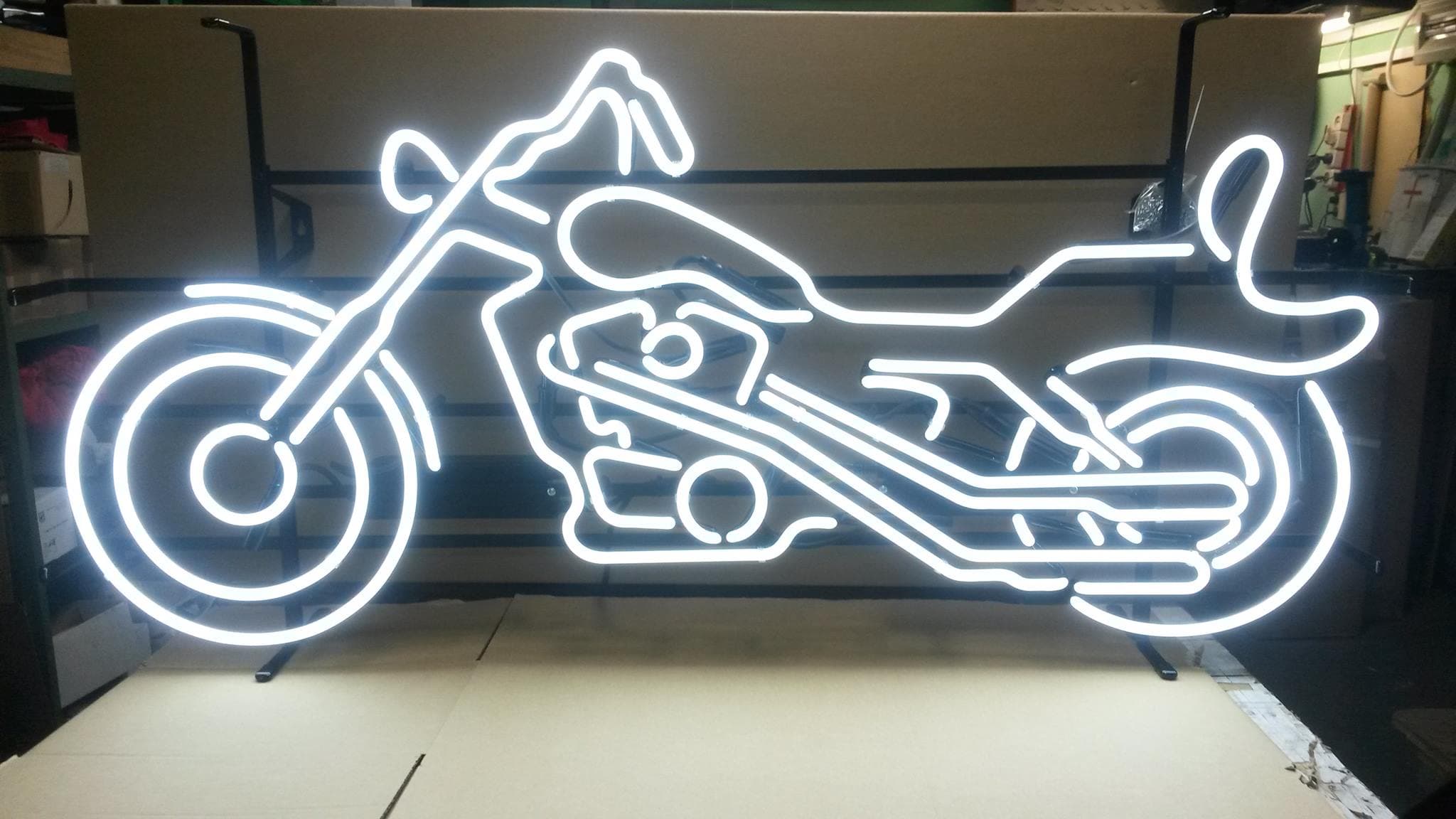
Start with the real surface
Wall construction changes the mounting plan
Plasterboard, brick, tile, timber, glazing and decorative panels do not accept the same fixing method. The project team should identify the material and any concealed support or service routes before drilling or preparing the wall. A photograph is helpful, but information from the builder, designer or property manager may be needed where the finished surface hides the structure.
The sign’s backing and construction matter as well. An LED neon piece on acrylic and a traditional glass neon assembly have different handling needs. The dimensions, weight, centre of gravity and access around the sign should be understood before fixings are selected. If the sign will hang, sit on spacers or mount to a separate structure, that direction belongs in the approved project plan.
Plan the less visible details
Power and cable routes affect the finished appearance
Show the nearest suitable electrical point and explain whether a visible cable is acceptable. If the room can provide a concealed route, coordinate it before walls and joinery are closed. The power equipment also needs an appropriate position with practical access. Moving the proposed sign slightly can sometimes produce a much cleaner relationship between artwork, cable and existing services.
Electrical connection requirements depend on the sign and site. They should not be guessed or improvised from a photograph. Neonita specifies the sign’s own system, while the customer and relevant project specialists should confirm that the site supply and any building work are appropriate for the agreed installation.
Indoor and outdoor conditions
Exposure must be declared before production
A dry interior, a covered exterior and a fully exposed façade present different conditions. Weather, changing temperature, water, wind, public access and maintenance all affect the specification. An indoor sign cannot be assumed suitable outside merely because it can be physically attached to the wall.
For public-facing and exterior positions, safe placement and permissions should be considered alongside the design. Confirm requirements with the property owner or manager and, where relevant, the municipality or heritage authority. The purpose of early planning is to define a sign that belongs in the declared environment rather than adapting an unsuitable object after fabrication.
Coordinate the handover
A practical installation sequence
First confirm artwork, dimensions and the proposed position. Next document the wall, power point, cable route and access. Agree who prepares the site, who completes any required electrical work and whether Neonita is delivering the sign or arranging an installation step. If scaffolding, lifting, restricted hours or coordination with other trades may be relevant, include that information before the date is fixed.
After production, the completed sign is checked before delivery. Site conditions should also be checked against the information used during design. If the wall, position or power has changed, pause and reassess rather than force the original plan onto a different setting. Keep reasonable access for gentle cleaning and future inspection once the sign is mounted.
- Approved sign position and mounting height
- Confirmed wall material and suitable supporting structure
- Suitable power point and agreed cable direction
- Indoor, sheltered or exposed conditions recorded accurately
- Site access, project sequence and responsibilities agreed
- Final location checked before the sign is fixed
Information for your enquiry
What to send before installation is discussed
Provide a wide photograph of the wall, close photographs of the surface, approximate measurements and the main viewing position. Mark the electrical point and preferred cable direction. State whether the property is open to the public, whether access is restricted and whether a designer, builder or electrician is coordinating the wider site work.
These details do not replace an on-site assessment where one is required, but they make the first conversation useful. They also allow the sign design and the installation direction to develop together instead of treating mounting as an unrelated problem at the end.
Areas We Serve
This installation page covers projects in Vilnius and planning connected with Neonita’s Vilnius workshop. The confirmed local area is Vilnius. For another location, provide the exact address, wall information, access and responsible site contacts so delivery and installation feasibility can be considered without assuming the same arrangement applies.
See the Vilnius neon service areaDocument the wall before production
Plan the neon sign and installation as one project
Send wall photographs, approximate dimensions, material and power information with the artwork. We will identify the questions that need to be resolved for the individual Vilnius project.
Contact us